
Choosing Sewing Accessories in Singapore will also depend on the garment design, fabric type and production requirements, as well as quality requirements. Certain accessories such as zippers, chains, interlining and sewing threads can influence garment construction and finishing. Selecting the appropriate sewing accessories early could minimise production problems.
For fashion producers, relying solely on a simple specification sheet just isn’t enough. You should understand why the fabric, all materials and components are being used together. Also, a defined sourcing process will ensure the production is streamlined from sampling to bulk manufacturing.
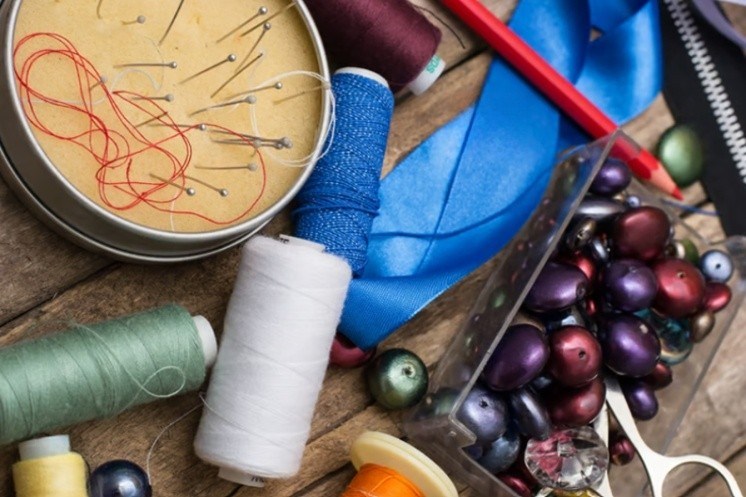
Begin with the clothing design. The garment type, fabric and the way it is constructed will lead you to the use of certain accessories.
A lightweight blouse may have different components than a fitted jacket. Activewear may also need different fabric than casual wear. Be sure to indicate fabric and trim information, measurements, stitch details and finishing details in your tech pack.
It is therefore important that manufacturers examine the design before purchasing Sewing Accessories. This will ensure that the correct accessories are purchased for the design.
All add-ons must function with the fabric on which it is being used. Think about fabric weight, thickness, stretch, texture, and construction before choosing one.
Not all fabrics can be woven or knitted the same way, which means their production requirements can vary. Therefore, please consider what accessories you want to pair with the fabrics when sourcing fabric.
What this means for modern sewing accessories in Singapore is to inspect the finished garment instead of each item independently.
Sewing thread is an essential production part. Thread troubles can impact sewing production and quality. Frequent thread breakage can impact sewing production and quality.
Before bulk production, the strength, construction and compatibility of the thread should be checked. It is also useful to test the chosen thread during sampling. This way, the production team can have a chance to find out any problems before producing larger quantities.
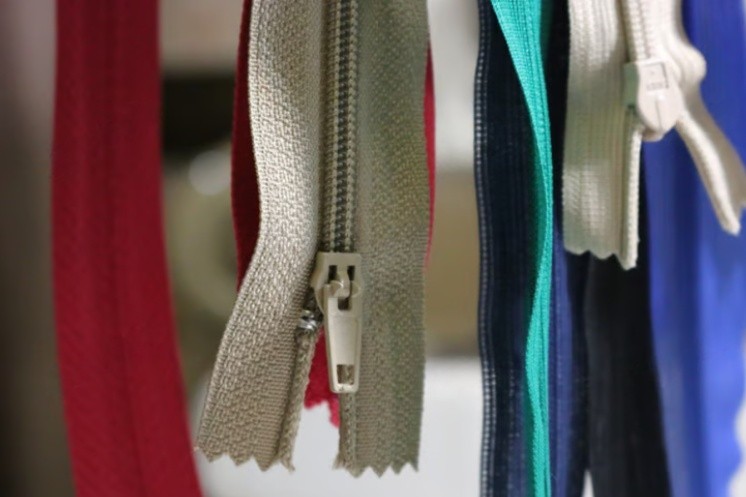
Zippers and closures should be appropriate to the design and purpose of the garment. The size, construction and finish may influence the end use and appearance.
A lightweight dress zipper will have different requirements than a heavy-duty one for outerwear. The same applies to a button, chains and so on. Ensure that during sampling, the closure functions correctly and is suitably placed in the garment. It is easier to modify this for the first sample rather than bulk.
Interlining can modify the shape of a garment. It can be added to areas of the garment that require extra support. The choice of material varies according to the garment and fabric. Think about the position of the interlining and what you want it to do after production.
Manufacturers should also test the interaction of backing material and pressing, sewing, and finishing. Testing the finished construction can reveal potential issues early on in production.
The checks should not start at the end of production. There must be fabric checks, stitching checks, seam checks, and a final quality check.
For other parts of the garment, you may want to use the same approach. Examine samples before ordering a bulk lot of them. Make sure you look for irregularities such as irregular colour, damaged parts, wrong size and manufacturing faults.
This is especially critical for sourcing sewing accessories in Singapore for subsequent production runs. Having identical components may lead to the same garment construction batch after batch.
Order quantity is also an issue. It is generally better to order in larger quantities, but this may increase inventory risk. The low MOQ production line can provide flexibility for smaller brands and avoid excessive stocking. As a result, the producer will have to take the planned volume of production into consideration when purchasing accessories in large quantities. The quantity ordered should correspond to the production plan as accurately as possible.
Accessories should arrive on time for production. A delay in sourcing a part may impact sampling or mass manufacturing. Inquire with the supplier regarding stock availability, processing time and date of delivery prior to placing an order. Integrate delivery time into your production planning.
An integrated manufacturing process would also address the issue of misaligned coordination among different suppliers. An end-to-end production as sourcing, sampling, stitching, quality control, packaging and delivery, should all be considered.
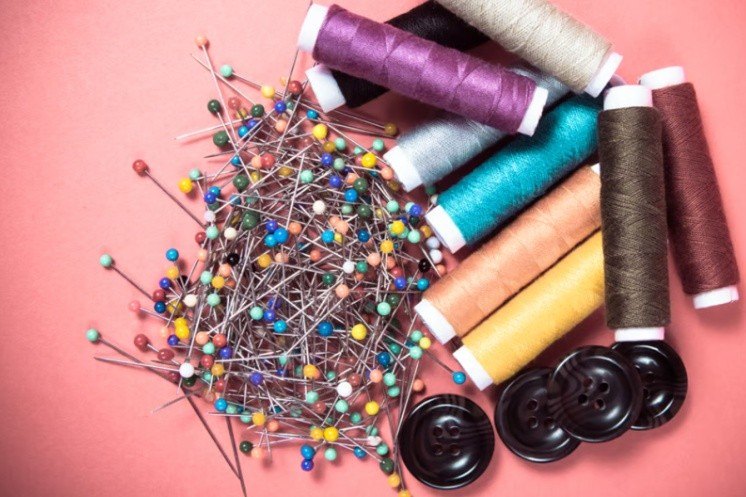
Don’t decide on a supplier solely on the basis of price. Consider other factors such as suitability, quality control, order size, delivery time and sourcing ability.
There should be a Sewing Accessories supplier who understands the needs of the garment when manufacturers are searching for sewing accessories in Singapore. Communication on specifications and samples is very important.
At SHCK, accessory evaluation is the last step. It gives our makers the chance to think about their garment needs first and then choose the fit accessory to produce.
Before confirming your order, check:
Factor | What to Check | Why It Matters |
Fabric compatibility | Weight, texture and construction | Assists the component to work with the garment. |
Thread strength and suitability | Is also supported. | Consistent stitching |
Zippers | Size, function and finish | – Dictates how a garment will be worn and how it will look |
Type of interlining | Structure and application | Supports selected areas of the garment. |
Quality | Issues and consistency | Assist in minimising manufacturing problems |
Amount needed | production volume | Assists with inventory control |
Lead time | Availability and delivery schedule | Always smooth flow of production |
Samples | Performance before bulk order. | Helps to find out the problem at an early stage. |
Selecting sewing accessories should be planned for when planning a garment as an integral part of the whole process, not as an afterthought. The design and fabric should be selected first, and then the components needed for construction and finishing identified.
A well-defined sourcing plan can aid manufacturers to control quality, quantity and production schedule more efficiently. It also provides the production team with a clear guideline while shifting from sampling to bulk manufacturing.
For a sewing accessories supplier in Singapore, considerations of fit, compatibility and manufacturing specifications should be uppermost. The right components should facilitate production without introducing unnecessary delay or quality concerns.